Designing a Scalable Go-To-Market Strategy for a Consumer Startup
Pawlish is an early-stage consumer startup launching a new home and lifestyle product. Before investing in paid acquisition, it needed to validate demand and choose the right channels. We built its go-to-market roadmap, SEO foundation, editorial plan and GA4 tracking so every launch decision was backed by data.
Launching a new consumer product in a highly competitive market required more than visibility. The startup needed a structured growth strategy to validate demand, clarify positioning, and define the right acquisition channels before investing heavily in execution.
No existing brand awareness or digital footprint
Unclear demand and positioning in a saturated market
Need to align content, SEO, and acquisition strategy early
Limited data available to guide decision-making
The Solution
We designed a structured digital growth strategy focused on validation, scalability, and long-term performance rather than short-term acquisition spikes.
Digital Growth Strategy
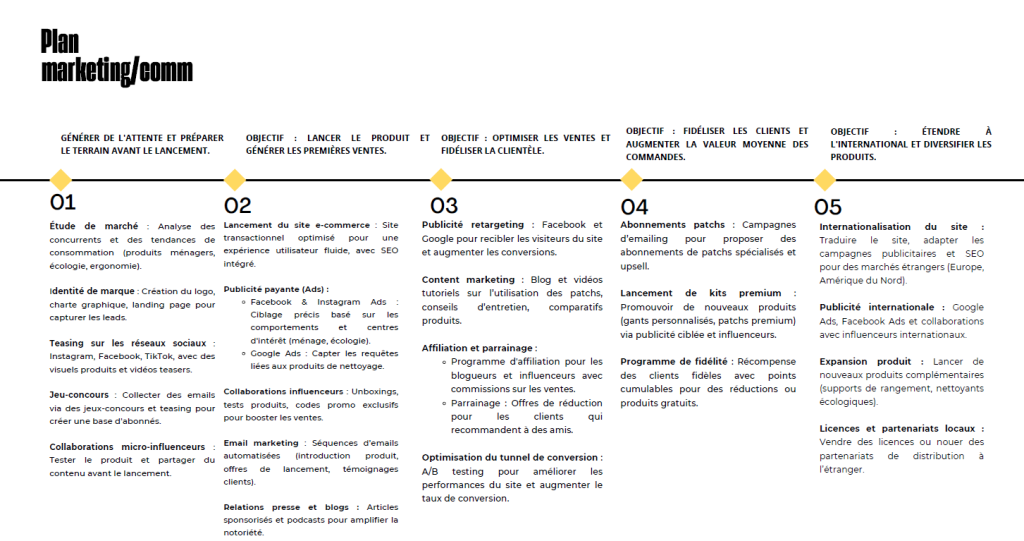
Defined a go-to-market roadmap covering audience segmentation, positioning, acquisition channels, and growth phases aligned with startup constraints.
SEO Strategy & Audit
Built a solid SEO foundation through keyword research, search intent mapping, and site structure recommendations to support long-term organic growth.
Content Strategy & Editorial Plan
Created a content framework aligned with awareness, consideration, and conversion stages to support both SEO and brand credibility.
GA4 Analytics & Reporting
Defined key performance indicators and tracking logic to monitor acquisition efficiency, content performance, and early conversion signals.
Results
The project delivered a clear and actionable digital growth foundation, enabling the startup to move toward launch with a data-driven strategy.
Clear Go-To-Market Framework Defined
The startup gained a structured roadmap ready for execution across SEO, content, and acquisition channels.
High-Intent Keyword Opportunities Identified
Strategic keyword clusters were mapped to user intent, supporting scalable organic growth.